
Our Product
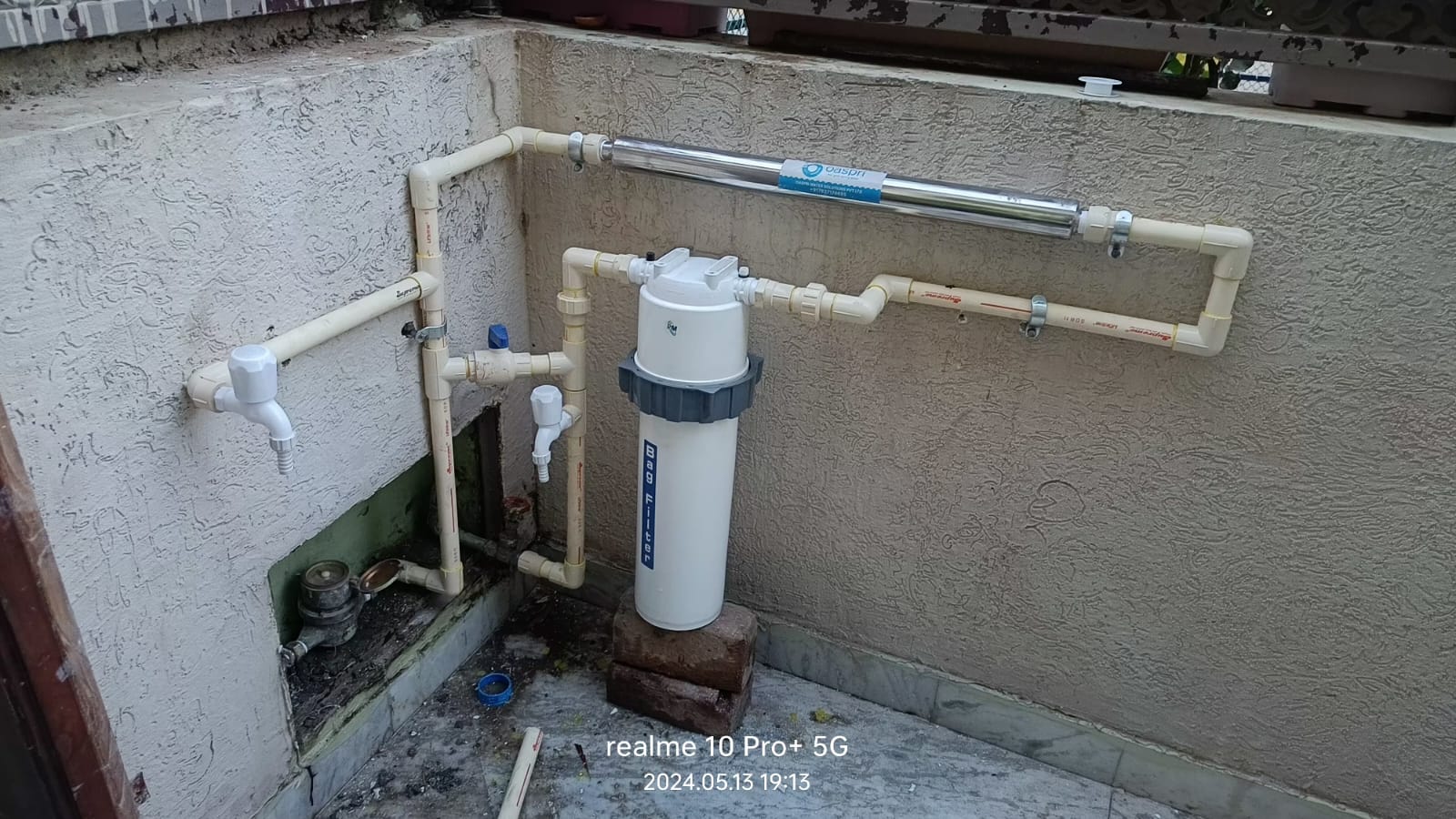
Whole of House Water Filter Plus Saltfree Scale Reduction
- 1x High Quality Whole of House Filter
- Unique: softens AND purifies your water
- Mineral water quality throughout your house
- Protects your valuable equipment
- 40 Years Minimum Life
Upgrade your home, protect your health, and simplify your life.
Choose Oaspri. The smart way to soft water.
Oaspri Water Filters Promise
01.
100% Guaranteed to Fit
Each Oaspri system is designed for effortless installation and precise compatibility with Indian plumbing. Enjoy a seamless setup that fits your home perfectly — guaranteed.
02.
20 Years Guarantee
Built with advanced technology and durable materials, our systems are engineered to last. We stand behind our quality with a 20-year performance guarantee for complete peace of mind.
03.
Guaranteed Pure Water
Experience naturally pure, mineral-rich water without salt, chemicals, or waste. Every drop you use is safe for your family, gentle on your skin, and kind to the environment.
Water Softener Comparison
Oaspri Salt-less System vs Traditional Salt Softener
| Feature | Oaspri Salt-less Softener | Traditional Salt Softener |
|---|---|---|
| Drinking Water Safety | Perfectly safe to drink. Retains minerals. Zero added sodium. | Unsafe to drink due to high sodium/salt content. |
| Operating Cost | Zero ongoing consumables or salt expenses. | High recurring salt cost each year. |
| Maintenance & Labour | None required. Fit it and forget it. | Frequent salt refills and maintenance needed. |
| Power Consumption | Operates without electricity. | Requires power for operation and regeneration. |
| Water Waste | Zero water waste, no regeneration cycle. | Wastes water daily during regeneration cycles. |
| Environmental Impact | Eco-friendly. No brine or chemical discharge. | Pollutes wastewater with salt and chemicals. |
| Servicing | No annual servicing required. | Needs yearly maintenance and service costs. |
| Pipe & Appliance Safety | Safe. Non-corrosive to pipes and appliances. | Salt water can corrode copper and steel pipes. |
Oaspri Salt-less vs Traditional
Drinking Water Safety
✅ Oaspri: Safe to drink. Retains minerals.
❌ Traditional: High sodium content, unsafe to drink.
Operating Cost
✅ Oaspri: Zero consumables.
❌ Traditional: High salt cost yearly.
Maintenance & Labour
✅ Oaspri: No maintenance required.
❌ Traditional: Frequent salt refills.
Environmental Impact
✅ Oaspri: Eco-friendly, no brine waste.
❌ Traditional: Harmful sodium discharge.
The Oaspri Advantage: Experience Water Softening Without the Salt
Are you tired of the high costs, constant maintenance, and health concerns that come with a traditional, salt-based water softener? The truth is, the old way of softening water is hard on your wallet, your plumbing, and your health.
Discover the modern, eco-friendly solution: The Oaspri Salt-less Water Softener.
The Problem With Traditional Water Softeners
Traditional salt-based water softeners use the outdated Ion-Exchange process, replacing essential hard minerals with sodium. For the Indian home and family, this creates several avoidable issues:
Health and Safety Concerns
High Sodium in Drinking Water: The softened water often has high sodium content, making it less suitable for direct consumption, particularly for individuals with hypertension or those advised to limit sodium intake. This can potentially strain kidney and heart health.
Mineral Depletion: By removing essential minerals like calcium and magnesium, the water’s natural balance is altered, which may be a concern for some health-conscious consumers.
High Running Costs and Maintenance Hassles
Constant Salt Expenses: The ongoing, mandatory cost of buying large quantities of industrial-grade salt adds significantly to the annual household budget.
Laborious Refilling: Homeowners face the recurring, cumbersome task of purchasing, transporting, and manually loading heavy salt bags into the softener unit for regeneration.
Frequent Servicing: These complex systems often require costly annual maintenance and service checks to ensure their continuous operation.
Wastage and Environmental Impact
Water Wastage: The regeneration (backwashing) cycle flushes significant amounts of water down the drain daily, contributing to water scarcity concerns and increasing the household water bill.
Harmful Brine Discharge: The salty wastewater (brine) is discharged directly into the sewer system. In areas with poor drainage or reliance on septic tanks, this brine can harm soil and groundwater, posing an environmental threat.
Plumbing & Appliance Risk: Softened water, particularly if over-softened, can be corrosive to metal pipes and certain plumbing fixtures over time.
Electricity Dependence: The unit requires continuous electric power to operate its electronic controls, adding to your monthly electricity bill and limiting installation to locations with a power source.
The Oaspri Salt-less Solution: Fit It and Forget It
The Oaspri Salt-less Water Softener uses advanced conditioning technology to neutralise the scale-forming minerals without adding salt or removing the beneficial minerals. This is a game-changer for your home and lifestyle.
 Perfectly Safe to Drink: Your water remains perfectly safe to drink at all times, retaining healthy essential minerals while complying with all drinking water regulations. Zero added sodium.
Zero Maintenance & Running Costs:
- Fit and Forget: Absolutely no maintenance is required at all. No heavy salt bags, no refilling, ever.
- No Power Needed: The unit requires no electric power, saving you money and allowing for installation in remote or restricted locations.
- No Servicing: Forget about expensive annual service appointments.
Eco-Friendly and Water Saving:
- Zero Waste Water: Our system does not require any wasteful regeneration or back washing cycles, saving thousands of litres of water per year.
- Environmentally Sound: No harmful brine is discharged into the environment.
Pipe Protection: Our salt-less technology does not have the corrosive issues of salt softeners, providing long-term protection for your copper pipes and appliances.
Commercial Water Softner
- Built-up Flat Roofing
- EPDM Roofing
- TPO Roofing
- PVC Roofing
- Commercial Skylight
Residential Water Softner
Eleifend lorem magna nulla tristique amet, at eleifend in ipsum pellentesque ut fermentum ullamcorper vulputate augue scelerisque volutpat magna eget libero dui quam eu ut lacus sem suscipit lacus facilisis fames pellentesque.
- Shingle Roofing
- Metal Roofing
- Tile Roofing
- Slate Roofing
- Flat Roofing
- Wood Shake Roofing
- Skylight Roofing
- Low Slope Roofing
Our Working Process
Consultation
We start by meeting with you to discuss your specific needs and goals. This initial talk helps us fully understand the project’s scope.
Proposal
Next, we prepare a detailed plan outlining the recommended solution and costs. This document provides a clear overview before any work begins.
Installation
Our professional team then carries out the work according to the agreed-upon plan. We ensure the setup is completed efficiently and to the highest standard.
Inspection
Finally, we conduct a thorough review to confirm everything is working perfectly. This last check ensures your complete satisfaction with the results.
F.A.Q.
Supporting Subheading
Salt-based softeners use an ion-exchange process to remove hardness minerals (calcium and magnesium), typically replacing them with sodium ions, which eliminates hard water and scale. Salt-free alternatives (often called water conditioners) do not remove the minerals but change them into a non-scaling form, effectively “conditioning” the water to prevent scale buildup.
A traditional water softener that uses salt is generally considered the best option for completely eliminating hard water and preventing scale
Salt-based softeners generally score higher for improved soap lathering compared to salt-free systems, though salt-free softening is also reported to result in improved soap lathering
Claims that a salt-free system is better for hair and skin are hard to substantiate or compare. However, users of salt-free systems do report experiencing these benefits, which may be due to the conditioning process or if the system is paired with other filters that reduce the water’s harshness
Salt-based softeners require salt (for regeneration) and typically use electricity, while salt-free conditioners do not require salt or electricity